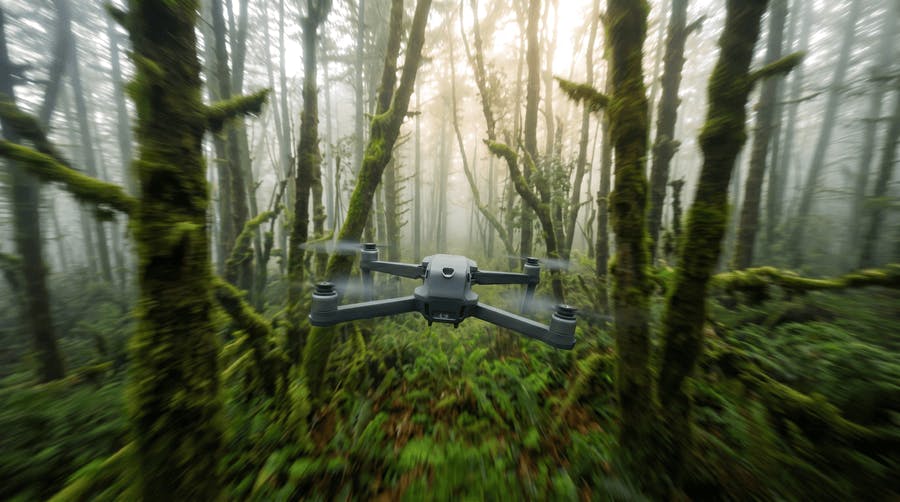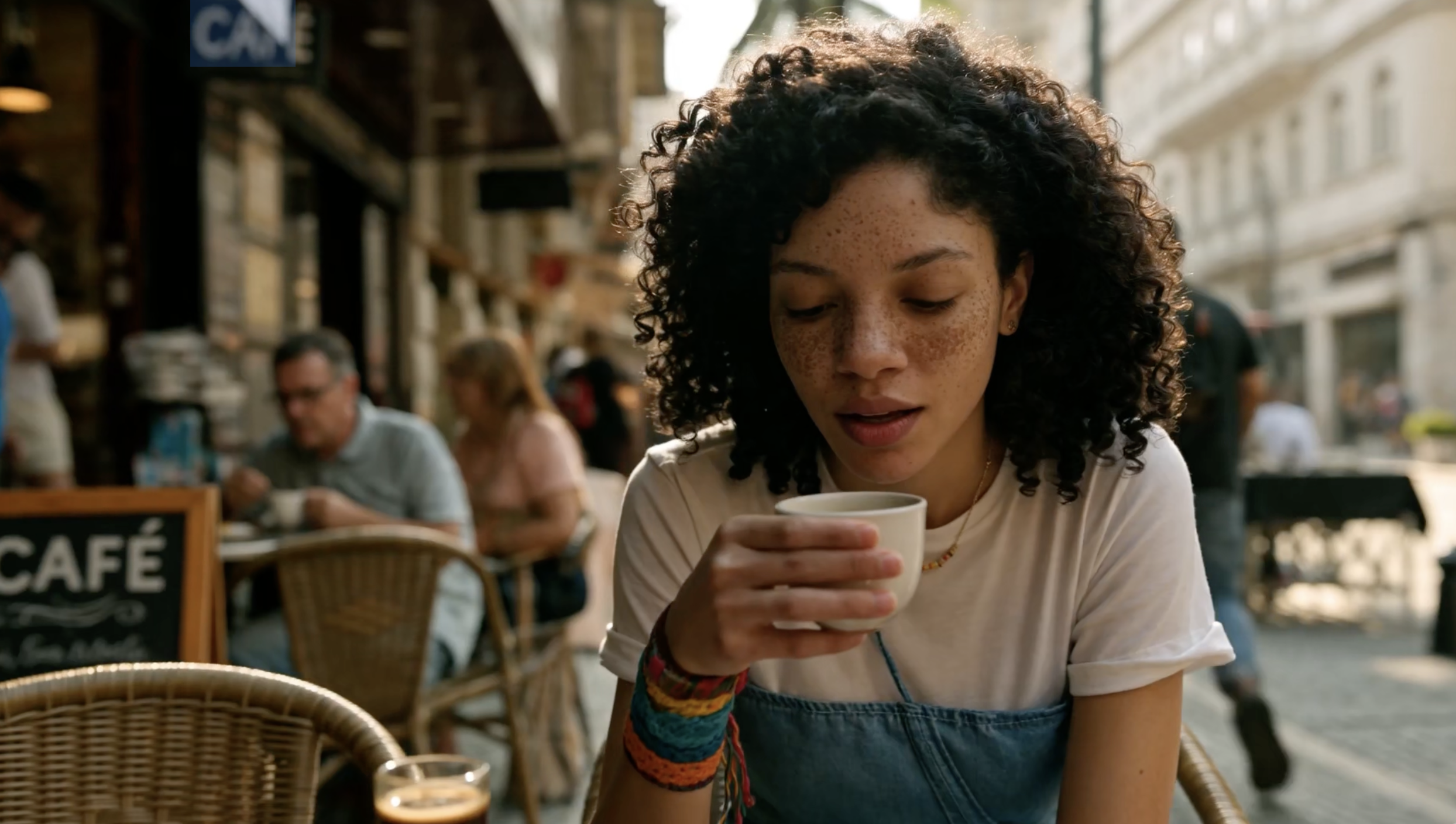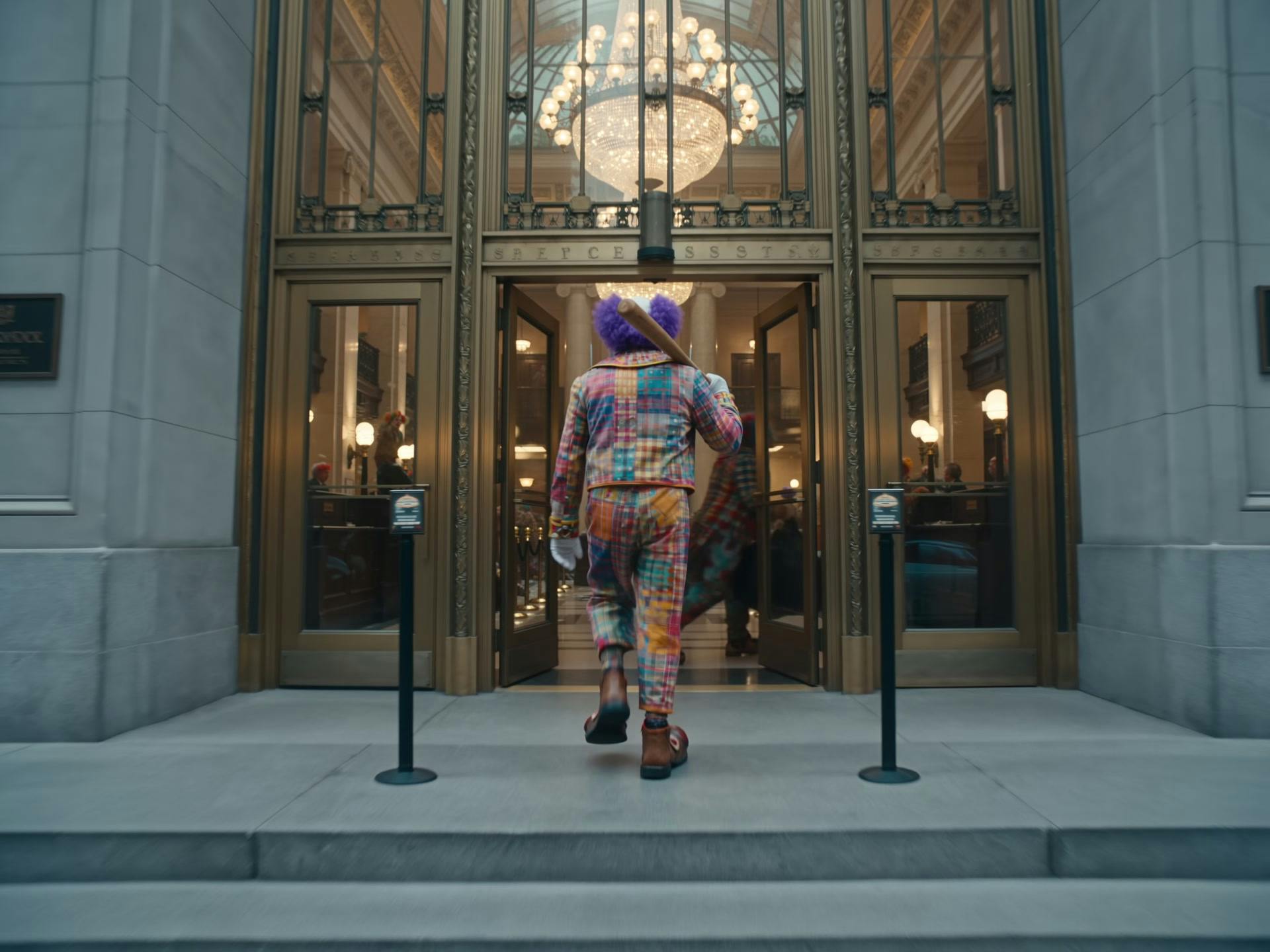
Seedance 2.5
اعرف المزيدByteDance's newest video model is here. Generate up to 30 seconds in one pass, direct it with 50 image, video, and audio references, and get dialogue, music, and effects locked to the timeline.
SeedAudio is ByteDance's Doubao Seed audio model for generating complete sound scenes from text and reference audio. Combine multi-role dialogue, emotion, background music, and environmental effects in a single pass for podcasts, ads, games, and narrative previews.
SeedAudio comes from ByteDance's Doubao Seed team and moves beyond classic text-to-speech. It targets finished audio scenes that combine speech, emotion, ambience, music, and effects in a single generation pass.
Describe a complete audio scene with dialogue, mood, and background layers. SeedAudio coordinates voices, music, and environmental sound in one pass instead of stitching clips manually.
Use text plus reference audio to preserve timbre, extend narration, and keep speaker identity stable across longer outputs reported up to two minutes in a single run.
Core Direction
Public coverage positions Doubao-Seed-Audio 1.0 as a multimodal audio model rather than a narrow TTS endpoint. The practical workflow is to draft a scene quickly, refine roles and ambience, then extend with reference audio while keeping voice consistency.
Generate conversations with distinct speakers, emotional tone, and dialect or accent control in the same audio scene.
Combine speech, background music, and foley-style effects so the output feels closer to a mixed scene than isolated voice lines.
Start from text instructions and reference audio to steer performance, timbre, and scene direction more precisely.
What changed
Full-scene audio generation beyond traditional text-to-speech workflows.
Multi-character dialogue with emotion, dialect, and performance control.
Synchronized background music and environmental sound effects in one pass.
Text and reference-audio inputs for zero-shot multimodal steering.
Long-form timbre consistency when extending generated audio.
A creative stack aligned with ByteDance Seed Speech and Seed-TTS research.
Multimodal Workflow
SeedAudio is designed for teams that need narrated scenes, branded voice worlds, and localized audio drafts without rebuilding every layer in a DAW.
Describe speakers, mood, pacing, and ambience together so the model can arrange the full sound scene.
Guide timbre and performance with short reference clips while keeping identity stable across extensions.
Plan several speaking roles in one generation for podcasts, ads, games, and narrative previews.
Layer background music and environmental effects alongside dialogue for more cinematic audio drafts.
How teams use it
Podcast and audiobook scene drafts with multiple speakers and ambience.
Localized ad voiceovers with emotion, dialect, and background music.
Game and interactive narrative audio previsualization.
Short-form storytelling audio for social, trailers, and product launches.
Recommended flow
Step 1
Write the scene in plain language, including speakers, emotion, pacing, and background sound.
Step 2
When timbre or performance matters, attach reference audio to lock voice identity and delivery style.
Step 3
Produce the full scene, then extend or refine until the audio feels ready for review or localization.
ByteDance's newest video model is here. Generate up to 30 seconds in one pass, direct it with 50 image, video, and audio references, and get dialogue, music, and effects locked to the timeline.
يدعم GPT Image 2 من OpenAI توليد النص إلى صورة وتحرير الصور المتقدم، مع تحسين عرض النص ومخرجات عالية الدقة — كل ذلك ضمن سير عمل إبداعي موحّد.
Seedance 2.0 من ByteDance هو مولّد فيديو بالذكاء الاصطناعي رائد يحوّل المبدعين إلى مخرجين بالذكاء الاصطناعي. ولّد فيديو بدقة 1080p عالية الجودة مع Standard، أو كرّر بسرعة مع Fast، أو خفّض التكاليف في سير العمل عالي الحجم مع Seedance 2.0 Mini.
مدعومًا بـ Gemini 3.1 Flash، يقدّم Nano Banana 2 توليد صور سريعًا وفعّالًا من حيث التكلفة لسير عمل الإنتاج الفعلي. يمكن للاستوديوهات والمبدعين إنشاء مرئيات متسقة بكميات كبيرة بسهولة — مثل نماذج المنتجات، وتنويعات الإعلانات، والحملات، وإطارات الفيديو.
Nano Banana Pro هو مولّد الصور الأكثر تقدماً من Google. مبني على Gemini 3 Pro، يقدّم هذا النموذج أعلى مستوى من الاتساق وعرض نص واضح بعدة لغات ومخططات معلوماتية ومعرفة متقدمة بالعالم الحقيقي لصور واقعية.
يحوّل Kling 3.0 من Kuaishou النص والصور المرجعية إلى تسلسلات سينمائية من 3 إلى 15 ثانية مع صوت أصلي. مصمّم للمحتوى القصير مع استمرارية سردية طويلة.
أنشئ فيديوهات بجودة سينمائية من نصوص أو صور باستخدام نموذج Veo 3.1 AI للفيديو الأكثر تطوراً من Google. الآن مع دعم دقة 4K وصوت مدمج وتحكم متقدم في المشاهد — مصمّم لرواة القصص والمبدعين والعلامات التجارية.
مدعومًا بـ Gemini Flash Image Lite، يحوّل Nano Banana 2 Lite المطالبات البسيطة إلى مرئيات قوية بسرعة. ادمج المراجع، واضبط الزوايا، وحرّر بدقة، وحافظ على اتساق الشخصيات — مثالي لتوليد الأفكار بسرعة والعمل الإبداعي عالي الحجم.
Muse Image is Meta's most advanced image generation model — an agent that searches, codes, self-refines, and edits with precision. Built for your world across Meta AI, Instagram, and WhatsApp.
يحوّل Gemini Omni من Google DeepMind النص والصور والصوت والفيديو إلى مقاطع مصقولة. أنشئ وامزج وصقل المشاهد بحركة متسقة وتماسك واقعي. مثالي للمحتوى الاجتماعي وفيديوهات المنتجات وتصور المفاهيم.
MiniMax H3 نظام توليد أومني-مودال متعدد الأغراض — نموذج بـ 33B معامل يفهم النص والصور والفيديو والصوت في سياق موحد، ويولّد فيديو 2K بصوت ستيريو أصلي في forward pass واحد.
Muse Video is Meta's next-generation text-to-video model — built on the same pretraining base as Muse Image, with exceptional visual fidelity, native audio support, and strong prompt adherence. Preview what's coming to creators and Meta AI.
يقدّم Kling 4.0 من Kuaishou حركة أكثر استقرارًا وسردًا سمعيًا بصريًا غامرًا لإنشاء الفيديو بالذكاء الاصطناعي. تعرض المعاينة الرسمية مراجع Omni والتوليد الأصلي لمدة تصل إلى 30 ثانية وإطارات رئيسية متعددة.
FAQ
It is strongest when you need complete audio scenes with dialogue, ambience, music, and effects rather than isolated TTS lines.
Seed-TTS focuses on expressive speech generation. SeedAudio targets broader scene-level audio creation with multiple layers in one pass.
Yes. Public reports describe text plus reference-audio inputs for steering timbre and extending generated audio.
Creators, studios, and product teams exploring faster audio drafting for narration, ads, games, and multilingual content.
Coverage highlights single-pass generation up to about two minutes with consistent timbre when extending audio.
Describe speakers, emotion, scene setting, music mood, and sound effects together. Add references when voice consistency matters.
Start Here
Use the generator above to iterate on scene ideas, then refine dialogue, references, and ambience until the audio feels ready for delivery.